
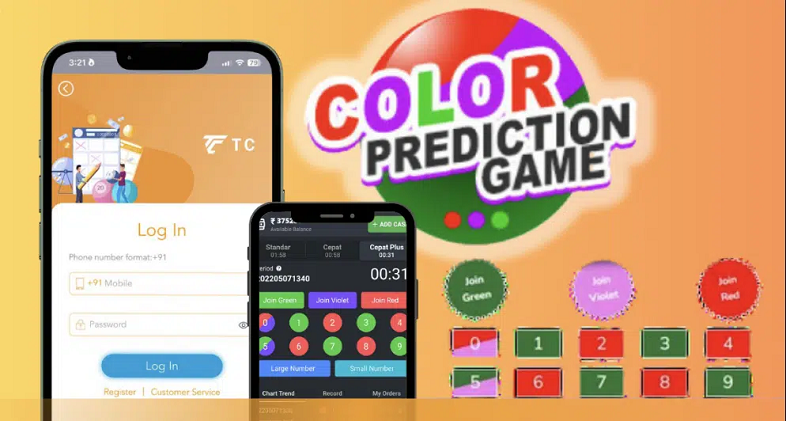
Online color prediction games have become increasingly popular in the digital entertainment space. Their appeal lies in simplicity, quick rounds, and the thrill of chance-based outcomes. Players are asked to predict which color will appear next, and if their guess is correct, they win rewards. While the mechanics are straightforward, many misconceptions surround these games, shaping how people perceive and engage with them. Understanding these misconceptions is essential for approaching the games responsibly and with realistic expectations.
Misconception One: Outcomes Can Be Predicted Through Patterns
One of the most widespread misconceptions is that outcomes in color prediction games can be predicted by analyzing patterns. Players often believe that if a particular color has appeared several times in a row, another color is “due” to appear next. This belief stems from the gambler’s fallacy, a psychological bias that assumes past outcomes influence future ones. In reality, each round is independent, and outcomes are determined by random number generators. No amount of pattern analysis can guarantee success, and relying on perceived sequences often leads to disappointment.
Misconception Two: Skill Determines Success
Another common misconception is that skill plays a significant role in winning color prediction games. While skill is crucial in many types of games, color prediction is fundamentally based on chance. Players may develop strategies or believe they have mastered the system, but the randomness of outcomes means that success cannot be consistently achieved through skill alone. Treating the game as a test of skill can create unrealistic expectations and encourage riskier behavior.
Misconception Three: Winning Streaks Will Continue
Players often assume that once they are on a winning streak, it will continue indefinitely. This misconception is fueled by overconfidence bias, where individuals believe their success is the result of personal ability rather than chance. In reality, winning streaks are temporary and do not influence future outcomes. Believing that streaks will last can lead players to wager larger amounts, increasing the risk of significant losses when randomness inevitably disrupts the streak.
Misconception Four: The Platform Controls Results
Many players suspect that platforms like Daman Game Login manipulate outcomes to favor themselves. While unethical platforms may exist, legitimate platforms rely on random number generators to ensure fairness. The misconception that results are controlled often arises when players experience consecutive losses, leading them to question the integrity of the system. Transparency and regulation are important in addressing this concern, but players must also recognize that randomness naturally produces streaks of wins and losses.
Misconception Five: It Is a Reliable Source of Income
A particularly harmful misconception is that color prediction games can serve as a reliable source of income. While occasional wins may provide rewards, the expected value of these games is negative, meaning that losses outweigh gains over time. Treating the game as a financial strategy rather than entertainment can lead to serious consequences, including financial stress and addiction. Responsible play requires viewing the game as a form of leisure rather than a means of earning money.
Misconception Six: Everyone Has Equal Control Over Outcomes
The illusion of control is another misconception that affects player behavior. Choosing a color may give players a sense of agency, but outcomes are determined by algorithms, not personal influence. Believing that one’s decisions can alter results fosters overconfidence and encourages riskier wagers. Recognizing that control is limited helps players maintain realistic expectations and avoid unnecessary risks.
Conclusion
Online color prediction games are simple in design but complex in the way they interact with human psychology. Misconceptions such as the belief in patterns, reliance on skill, faith in winning streaks, suspicion of manipulation, viewing the game as income, and the illusion of control all shape how players engage with these platforms. By understanding and addressing these misconceptions, players can approach the games with greater awareness, treating them as entertainment rather than a source of stress or financial gain. Ultimately, responsible play requires recognizing the role of chance and avoiding the traps created by these common misunderstandings.